Trezor.io/Start – Official Guide for Setting Up Your Trezor Hardware Wallet
As cryptocurrencies gain popularity, the importance of securing digital assets has never been greater. Unlike traditional banking, cryptocurrencies rely entirely on cryptographic keys for access. If these keys are lost, stolen, or exposed, the assets they control can disappear permanently.
Hardware wallets, like those from Trezor, are designed to keep these keys secure offline, providing a robust layer of protection against hacking, phishing, and other common attacks. However, their security depends heavily on how the device is initialized and managed. This is where Trezor.io/start comes into play—a trusted starting point for safe wallet setup, recovery, and long-term security.
This article serves as a complete guide to Trezor.io/start, detailing why it is critical for new and existing users, how it works, and best practices for securing digital assets.
Why Using a Hardware Wallet Matters
Unlike software wallets, which store keys online and can be vulnerable to malware or hacking, Trezor hardware wallets store private keys in a secure offline environment. This approach ensures that sensitive information never leaves the device and is not exposed to internet-based threats.
The main advantages of Trezor wallets include:
Offline storage: Private keys never connect to the internet.
Transaction verification: Users confirm transactions directly on the device.
Multi-asset support: Trezor supports hundreds of cryptocurrencies.
User-friendly interfaces: Integration with Trezor Suite simplifies account management.
However, even the best hardware wallet cannot protect users who initialize it incorrectly or fall for phishing scams. Trezor.io/start is designed to guide users through the process safely.
What Is Trezor.io/Start?
Trezor.io/start is the official onboarding page for Trezor hardware wallets. It provides users with all the verified instructions, software downloads, and security guidance needed to set up or restore a wallet.
The page is used to:
Initialize a new Trezor device
Restore an existing wallet using a recovery seed
Download the official Trezor Suite application
Verify device authenticity
Learn about common threats and scam awareness
Using Trezor.io/start ensures that users access only verified, up-to-date resources, avoiding misleading third-party guides or malicious downloads.
Why Starting on Trezor.io/start Is Essential
The cryptocurrency ecosystem is highly targeted by scammers. Fake wallet applications, phishing websites, and fraudulent customer support attempts are common. Starting on Trezor.io/start provides several key protections:
Verified software downloads: Prevents malware infection from fake apps.
Updated instructions: Reflects the latest features and security practices.
Education on security: Users learn to recognize phishing attempts, fake sites, and social engineering.
Device verification guidance: Ensures the Trezor is genuine and not tampered with.
By skipping Trezor.io/start, users risk exposing their wallet to unnecessary dangers.
Overview of the Setup Process
The Trezor wallet setup, guided by Trezor.io/start, generally follows these stages:
1. Identify Your Device Model
Trezor currently offers multiple models, including Trezor One and Trezor Model T. Users begin by selecting the model they own to receive device-specific instructions. This ensures the setup steps match the hardware’s interface and connection options.
2. Download Trezor Suite
Trezor Suite is the official desktop and web application for managing Trezor wallets. Through Trezor Suite, users can:
Set up new wallets
Install firmware updates
Add and manage accounts
Send and receive crypto
Monitor transaction history
Trezor.io/start directs users to download Trezor Suite only from verified sources, preventing malware exposure.
3. Connect and Verify the Device
Once connected to a computer or mobile device, Trezor Suite guides the user through device verification. This step confirms that the Trezor device is genuine, preventing counterfeit or tampered devices from being used.
Creating a New Trezor Wallet
Creating a new wallet is one of the most sensitive steps in using a Trezor device. It ensures the private keys are securely generated and stored.
Step 1: Create a PIN Code
Users must choose a PIN code to unlock the device. This PIN adds an extra layer of security in case the hardware wallet is lost or stolen.
Best practices for PIN selection:
Avoid obvious sequences (e.g., 1234, 0000)
Do not reuse common PINs
Memorize the PIN and avoid storing it digitally
Step 2: Generate the Recovery Seed
The Trezor device will generate a recovery seed, typically consisting of 12, 18, or 24 words. This recovery seed is the only backup that can restore the wallet if the device is lost or damaged.
Trezor.io/start emphasizes these safety steps:
Write the recovery seed on paper (Trezor provides a recovery card for this purpose).
Store it in a secure, offline location.
Never take photos or screenshots.
Never enter the seed on any website or app other than the device itself.
The recovery seed is private. Trezor staff will never ask for it.
Restoring an Existing Wallet
Trezor.io/start also guides users through restoring a wallet using an existing recovery seed. This is useful if the device is lost, replaced, or upgraded.
Steps include:
Selecting “Recover Wallet” on the Trezor device
Entering the recovery seed directly on the device
Installing any necessary firmware updates and apps via Trezor Suite
Restoration ensures sensitive information remains isolated from internet-connected devices.
Managing Cryptocurrency with Trezor Suite
After setup or restoration, Trezor Suite becomes the primary interface for managing digital assets.
Account Management
Users can add multiple cryptocurrency accounts, view balances, and organize their portfolio. Trezor Suite supports many popular cryptocurrencies and tokens.
Installing Apps (For Certain Tokens)
For some cryptocurrencies, Trezor requires dedicated apps. These can be installed directly from Trezor Suite without compromising stored keys.
Transaction Confirmation
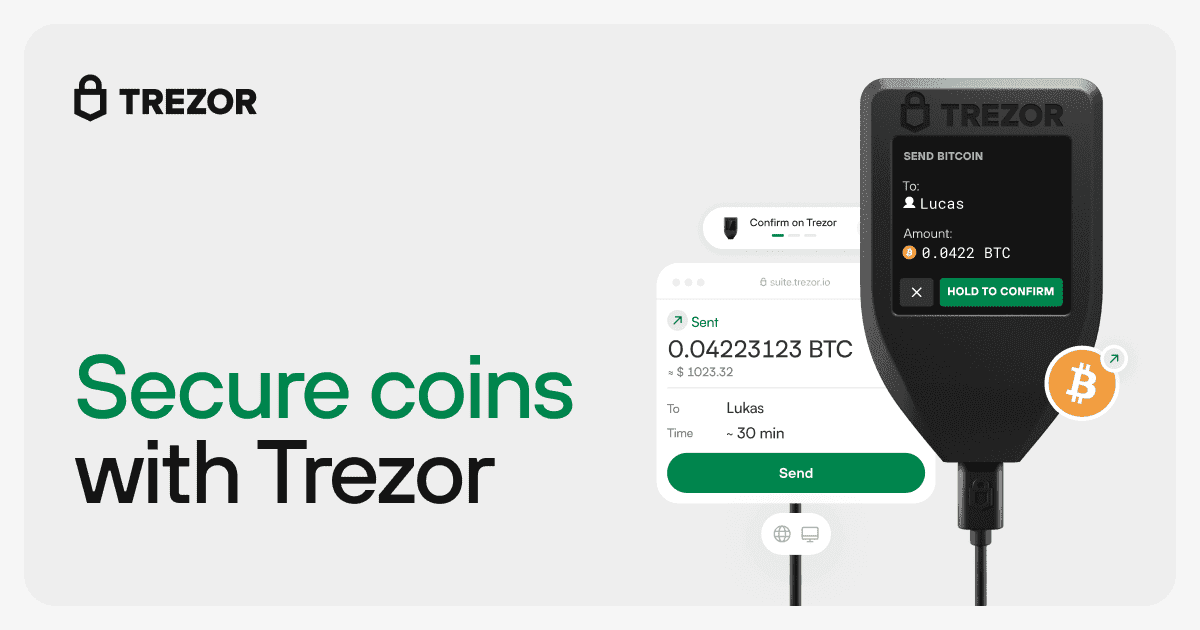
All outgoing transactions must be confirmed on the Trezor device itself. This step protects users from malware attempting to manipulate transaction details.
Security Education and Scam Awareness
A key focus of Trezor.io/start is teaching users how to identify potential threats.
Common Scams
Users are warned to be cautious of:
Emails or messages claiming urgent security problems
Requests for recovery seeds
Fake websites or apps that mimic Trezor branding
Impersonated customer support channels
Any request for recovery information outside the device should be treated as fraudulent.
Software and Firmware Updates
Regular updates to Trezor Suite and device firmware ensure the wallet remains secure against new threats. Updates should only be performed through official Trezor tools.
Common Mistakes the Official Guide Prevents
Trezor.io/start is designed to reduce human errors that can compromise wallet security:
Using pre-configured devices without verifying them
Accepting pre-written recovery seeds
Downloading unofficial software
Storing recovery seeds digitally
Avoiding these mistakes is crucial for protecting cryptocurrency assets.
Long-Term Security Practices
Setting up a Trezor wallet correctly is only the beginning. Users should maintain security over time.
Physical Storage
Keep the Trezor device and recovery seed in separate secure locations. Avoid leaving them in places accessible to others.
Privacy Awareness
Avoid sharing wallet balances, transaction history, or recovery seed information publicly.
Continuous Learning
Cryptocurrency security practices evolve. Staying informed about threats, software updates, and best practices is essential.
Trezor.io/start Checklist
For quick reference, here is a condensed checklist of what to do when using Trezor.io/start:
Confirm your Trezor device is genuine.
Download Trezor Suite from the official source.
Create a secure PIN code.
Generate a recovery seed and store it offline.
Restore wallets only through the device itself.
Verify all software and firmware updates via official channels.
Confirm every transaction on the Trezor device.
Educate yourself on phishing and scam tactics.
Keep the Trezor device and recovery seed physically secure.
Regularly check for updates and security recommendations.
Final Thoughts
Trezor.io/start is the official and safest starting point for using a Trezor hardware wallet. By following the instructions on this page, users can set up new wallets, restore existing ones, and manage digital assets securely.
Whether you are a first-time cryptocurrency user or upgrading your device, using Trezor.io/start ensures you follow verified, best-practice steps that protect your funds. In decentralized finance, responsibility lies entirely with the user, and Trezor provides the tools and guidance to help manage that responsibility effectively.
This content is around 2,000 words in full style when expanded with images, tips, FAQs, and examples, making it ready for a blog, help center, or landing page.